
Paryushan and Samvatsari
The Jain days of fasting and forgiveness
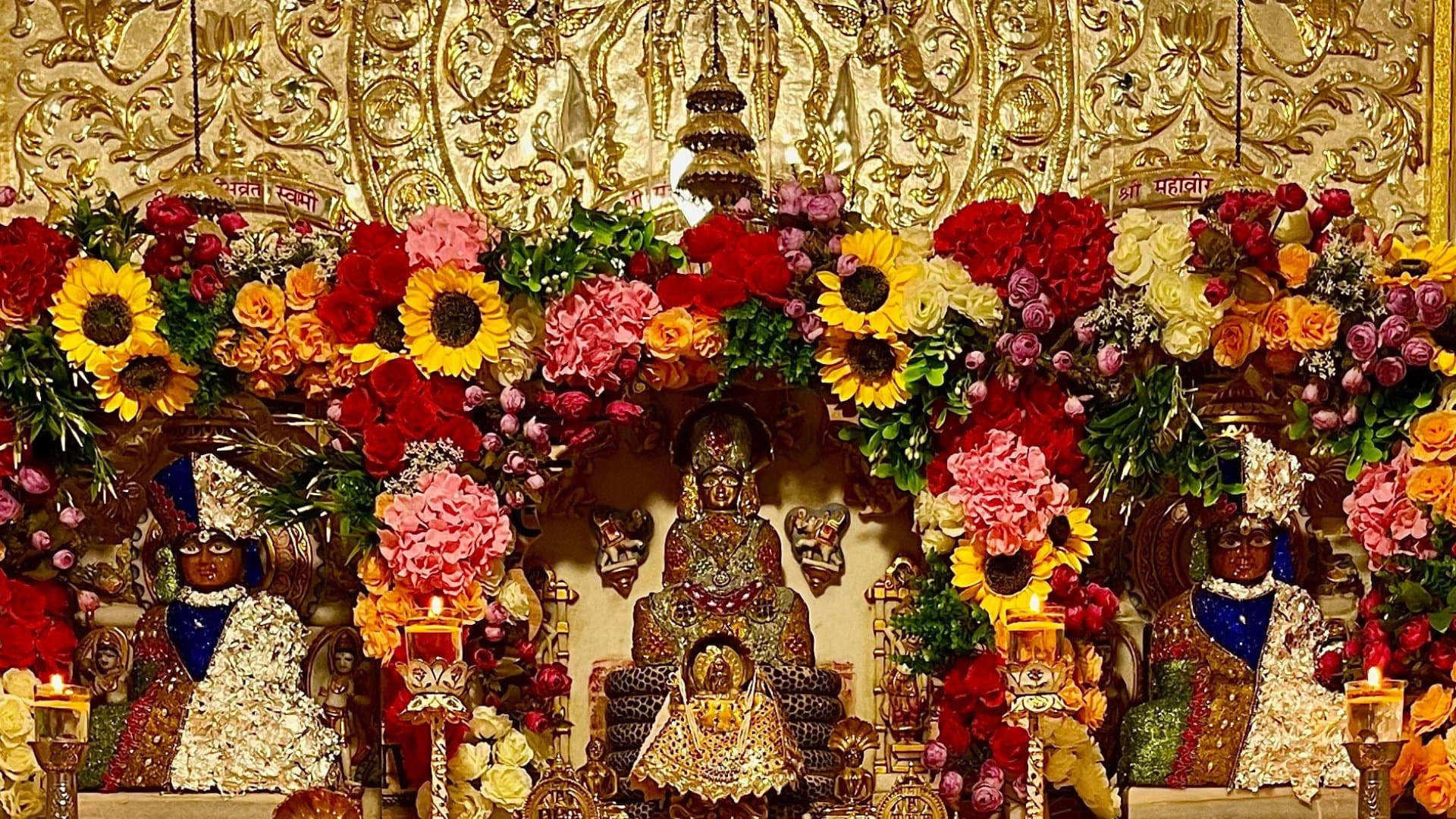
Paryushan is an annual period of fasting and forgiveness in Jainism, one of the oldest religions of India. For eight or ten days each year, depending on the Jain tradition, Jains fast, study, and examine their own conduct. The days fall in August or September, following the Indian lunar calendar. The festival ends with a day of forgiveness, on which Jains ask pardon of every living being for any harm they have caused in the past year. Paryushan is kept in Jain temples, prayer halls, and homes across India and in Jain communities around the world.
Jainism and the Meaning of Paryushan
Jainism is one of the oldest religions of India. Its highest principle is Ahimsa, non-violence toward all living beings, and its path was taught by 24 enlightened teachers called Jinas or Tirthankaras. The last of them, Mahavira, lived in India around the 6th to 5th century BCE. Jains pursue the purification of the soul through non-violence, truthfulness, restraint, and detachment from possessions, and the community consists of monks and nuns, who renounce the world, and laypeople, who follow the same principles in ordinary life. Jains regard Paryushan as the most important period of their religious year.
The name Paryushan means abiding, or coming together, and the festival grows out of the rhythm of the Indian monsoon. During the four months of the rainy season, Jain monks and nuns, who otherwise travel continuously, stay in one place, in part to avoid harming the small forms of life that flourish in the rains. Settled among the laypeople, they are present to teach, and Paryushan falls within this season as its period of greatest intensity: days in which laypeople take on temporary vows of fasting and study and live, for a time, closer to the discipline of the monks.
Eight Days and Ten Days
The two principal traditions within Jainism keep the festival in different forms. Shvetambara Jains, whose monks and nuns wear white, keep Paryushan for eight days, ending on Samvatsari, the day of forgiveness. Digambara Jains, whose monks renounce clothing entirely, keep a ten-day form called Das Lakshana, which begins around the time the Shvetambara festival ends. Das Lakshana means the ten marks, and each of its days is devoted to one of ten virtues, beginning with forgiveness and including humility, truthfulness, purity, restraint, and non-attachment. The two forms differ in length and emphasis, but their purpose is the same: the purification of the soul and the repair of one's relations with all living beings.
The Practices of the Festival
Fasting is the center of Paryushan. Jains take on fasts according to their capacity, from giving up a single meal to fasting for the full eight days, a practice called Atthai, in which only boiled water is taken between sunrise and sunset. Some undertake still longer fasts. Those who complete the great fasts are honored by the community at the fast-breaking after the festival. Many who do not fast fully keep stricter dietary rules than usual for the duration.
The days are filled with practice. Communities gather in temples and prayer halls for sermons and study. In the Shvetambara tradition, the Kalpa Sutra, a Jain scripture recounting the lives of their teachers, the Tirthankaras and above all of Mahavira, is read to the congregation over the days of the festival, and the reading of the account of Mahavira's birth is kept as a celebration. Twice daily, many perform Pratikraman, a ritual of self-examination in which the practitioner reviews their conduct, confesses departures from non-violence and truth, and resolves to correct them. Charity belongs to the festival as well: giving to the poor, supporting religious institutions, and acts of care for animals, an expression of non-violence in practice.
Samvatsari: The Day of Forgiveness
The festival culminates in the day of forgiveness, called Samvatsari in the Shvetambara tradition and Kshamavani among Digambara Jains. On this day the community performs the longest Pratikraman of the year, an annual accounting of the soul covering all the conduct of the past year.
What follows is the practice for which the festival is best known. Jains approach family, friends, neighbors, and those they have quarreled with, and ask forgiveness for any harm caused in thought, word, or deed, knowingly or unknowingly. The request is made with the phrase Micchami Dukkadam, in Prakrit, an ancient Indian language, asking that any wrong one has done be forgiven and rendered without effect. The asking goes in both directions: forgiveness is sought and granted, and Jain teaching holds that the practice frees the soul of the weight of resentment and enmity. In present-day practice the greeting travels by letter, telephone, and message to relatives and friends around the world, so that no relationship enters the new year carrying the old year's harm. Jain communities outside India keep the festival at their local centers, and many, where the two traditions share one center, hold the eight days and the ten days in sequence.