The Calendars Behind Sacred Days
How Sun and Moon set the dates of sacred days
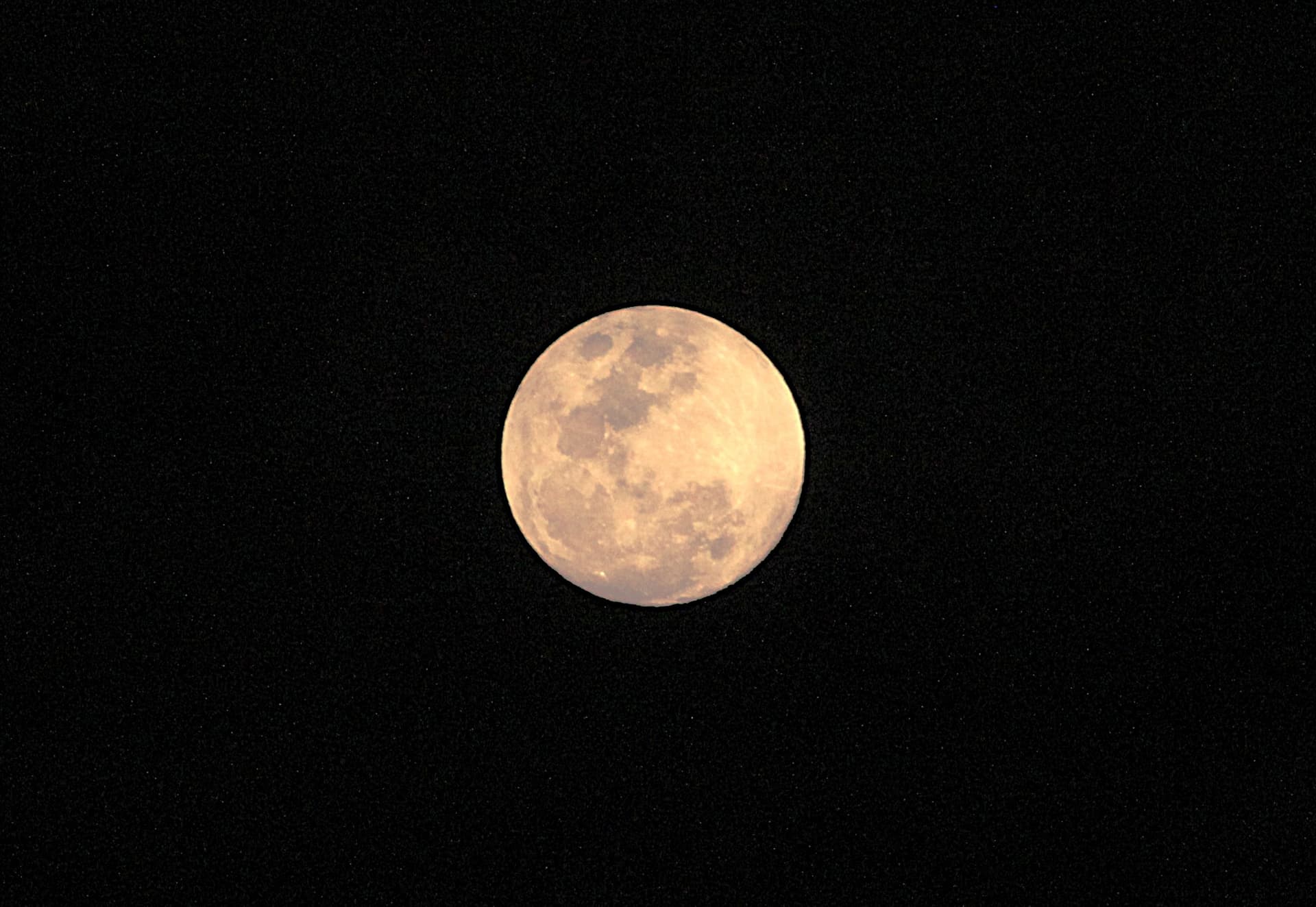
Sacred days move on the everyday calendar because religious calendars do not all measure time the same way. Most of the world runs civil life on the Gregorian calendar, which follows the Sun. Many religious calendars follow the Moon, or a combination of Moon and Sun. A festival that is fixed inside its own religious calendar appears to move when it is translated onto the civil calendar. That single difference explains most of what visitors notice about sacred dates.
Three Ways of Counting Time
Solar calendar A calendar built on the Sun follows the seasons. Its year is about 365 days, and a date like December 25 returns at the same point of the seasons every year. The Gregorian calendar works this way.
Lunar calendar A calendar built on the Moon follows the Moon's phases. A lunar month runs from one new Moon to the next, about 29 and a half days. Twelve lunar months add up to about 354 days, roughly eleven days shorter than a solar year. A purely lunar calendar therefore slides slowly backward through the seasons.
Lunisolar calendar A calendar built on both uses lunar months but adds an extra month every few years to stay in step with the Sun. Festivals in such a calendar shift within a window of a few weeks, but always stay in their season.
Every religious calendar in use today is either a solar calendar, a lunar calendar, or a lunisolar calendar, and the dates of religious festivals fall accordingly.
Festivals That Stay on the Same Date
Festivals fixed to the Gregorian calendar fall on the same civil date every year. Christmas, the Christian festival of the birth of Jesus, is celebrated on December 25 by Catholic, Protestant, and many other Western Christian communities.
Some Eastern Christian churches keep an older solar calendar, the Julian calendar, for parts of their year. It runs about two weeks behind the Gregorian calendar. This is why some Orthodox communities celebrate Christmas in early January: for them the date is still December 25, inside their own calendar.
Festivals That Move Through the Seasons
The Islamic calendar is purely lunar. Because its year is about eleven days shorter than the solar year, every Islamic month begins about eleven days earlier each year on the civil calendar. Over about 33 years, each month passes through all the seasons.
This is why Ramadan, the Islamic month of fasting, can fall in summer in one decade and in winter another. The same applies to Eid al-Fitr, the festival that ends Ramadan, to Eid al-Adha, the festival of sacrifice, and to the Hajj, the pilgrimage to Mecca.
Islamic months traditionally begin when the new crescent Moon is first sighted. Because the sky is observed from different locations, the same festival can begin a day apart in different countries. Both dates are correct within the practice of the community observing the sky.
Festivals That Move but Stay in Their Season
The Jewish calendar follows the Moon but adds a leap month every few years to stay aligned with the seasons. Passover, the Jewish festival commemorating the Israelites' departure from Egypt, therefore always falls in spring, though its civil date shifts from year to year within a window of about a month. The same applies to the other Jewish holy days, including Rosh Hashanah, the Jewish New Year, and Yom Kippur, the Day of Atonement.
Easter, the Christian festival of the resurrection of Jesus, is set by a rule that combines Sun and Moon: it falls on the first Sunday after the first full Moon of spring. The result is always a Sunday in spring, but not a fixed date. Eastern and Western churches apply the rule using different calendars, which is why their Easter dates often differ, sometimes by several weeks.
Most Hindu festivals are set by traditional calendars that combine lunar months with the solar year, with rules that vary by region. Diwali, a five-day autumn festival of lights, Holi, a two-day spring festival of colors, and other major festivals therefore keep their place in the festival year while their civil dates shift, and the exact date can differ between regions of India and between communities.
Many Buddhist observances follow the Moon directly. Vesak, which commemorates the birth, awakening, and passing away of the Buddha, the founder of Buddhism, is held at a full Moon in spring, on dates that vary between countries. East Asian festivals such as Lunar New Year follow calendars of the combined type, fixed within their own system while moving within January and February on the civil calendar.
The date that counts at any sacred place is the one kept by the community that worships there.
- → The Hajj. A five-day pilgrimage to Mecca at the heart of Islam
- → Great Mosque of Mecca
- → Arba'een. The pilgrimage of millions to Karbala
- → Asalha Puja and Vassa. The first sermon and the Buddhist rains retreat
- → Ganesh Chaturthi. The Hindu festival of Ganesha's birth
- → Krishna Janmashtami. The Hindu celebration of the birth of Krishna
- → Meskel. Ethiopia's feast of the Finding of the True Cross
- → Pitru Paksha at Gaya. The Hindu fortnight of rites for the ancestors
- → The Days of Awe. From Rosh Hashanah through Yom Kippur to Sukkot
- → The Eighth Centenary of the Death of Saint Francis. Eight hundred years after the death of Francis of Assisi
- → The Hungry Ghost Festival. Ullambana, the festival for the ancestors and the wandering dead
- → The Mawlid. The celebration of the Prophet Muhammad's birthday
- → The Umrah. The pilgrimage to Mecca for any time of year